Iran fired a fresh barrage of missiles across the Middle East on Wednesday, even as signals from US President Donald Trump about possible talks with Tehran helped calm global markets.
Oil prices fell sharply while Asian stocks rose on hopes of de-escalation after nearly four weeks of conflict, as Trump appeared to step up efforts to end the joint US-Israel military campaign. Speaking at the White House, he said Washington was “in negotiations right now” with Iran, describing a recent development linked to the Strait of Hormuz as a “very big present,” though he did not elaborate.
Iran has yet to confirm any formal negotiations. However, the New York Times, citing unnamed officials, reported that the US sent a 15-point proposal to Tehran through Pakistan, which has offered to mediate. It remains unclear whether Israel is aware of or supports the plan.
Despite Trump’s remarks about diplomacy — including his claim that Iran has agreed never to develop nuclear weapons — tensions remain high. The Wall Street Journal reported that the US is preparing to deploy an additional 3,000 troops to the region.
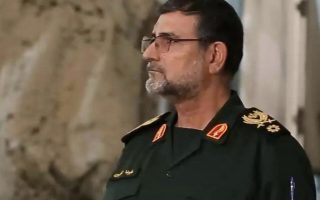
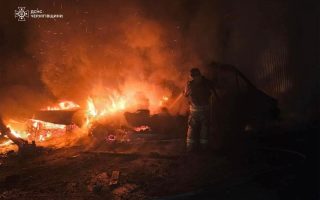
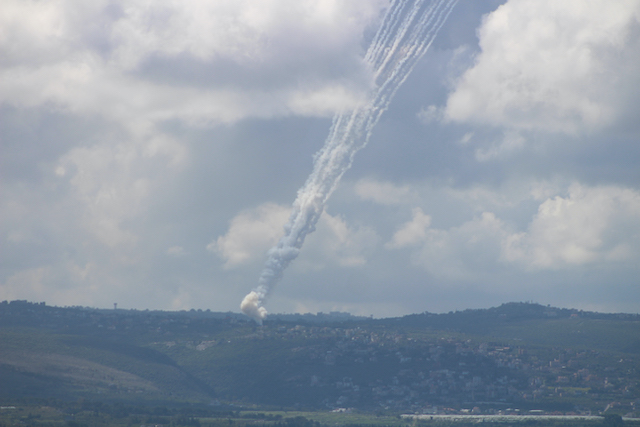
Meanwhile, Iran’s Revolutionary Guards said they launched missiles targeting Israel and bases hosting US forces in Kuwait, Jordan and Bahrain. Drones also struck Kuwait International Airport, causing limited damage, while Bahrain activated air raid sirens and Jordan reported falling shrapnel near Amman without casualties. Saudi Arabia said it intercepted several drones over its eastern region.
Israel responded by announcing new strikes on what it called “infrastructure of the Iranian regime,” following reports of additional missile launches from Iran. Tehran, for its part, accused Israel of carrying out another strike on the Bushehr nuclear plant, a civilian facility.
The conflict has also intensified in Lebanon, where Israeli strikes reportedly killed six people in the Sidon area. Israel says it is expanding operations against Hezbollah and aims to push its forces back to the Litani River.
The war, which escalated after a major US-Israel offensive in late February, has drawn in multiple countries, including Iraq. Baghdad has protested strikes blamed on both Washington and Tehran and signaled that allied armed groups may respond.
Attention remains focused on the Strait of Hormuz, a critical النفط route for about a fifth of global oil supply. Iran has said it will allow safe passage for “non-hostile vessels” but warned that ships linked to the US or Israel would be blocked.
While Trump has threatened severe action if Iran does not reopen the waterway, he has also extended deadlines amid signs of diplomatic progress. The easing of tensions has already impacted energy markets, with crude prices dropping significantly after recent spikes.
French President Emmanuel Macron has urged Iran to engage seriously in negotiations, calling for good-faith dialogue following talks with his Iranian counterpart.