Italian football is facing mounting uncertainty after a leadership shake-up and a warning that the country could lose its role as co-host of Euro 2032 if major infrastructure issues are not addressed.
The crisis deepened following the resignation of Italian Football Federation president Gabriele Gravina, who stepped down during an emergency council meeting. His departure came just days after Italy failed to qualify for the World Cup for a third consecutive time, suffering a penalty shootout defeat to Bosnia and Herzegovina. Calls for change had intensified, including from sports minister Andrea Abodi.
Shortly after Gravina’s exit, Gianluigi Buffon also resigned, adding to the sense of instability. Focus has now shifted to head coach Gennaro Gattuso, whose position appears increasingly uncertain after failing to guide the national team to World Cup qualification. He had taken over the role in June 2025.
A new federation president is expected to be elected in June, but the incoming leadership will inherit significant challenges. Italy is due to co-host Euro 2032 with Turkey, yet concerns over outdated stadium infrastructure have raised doubts about its readiness.
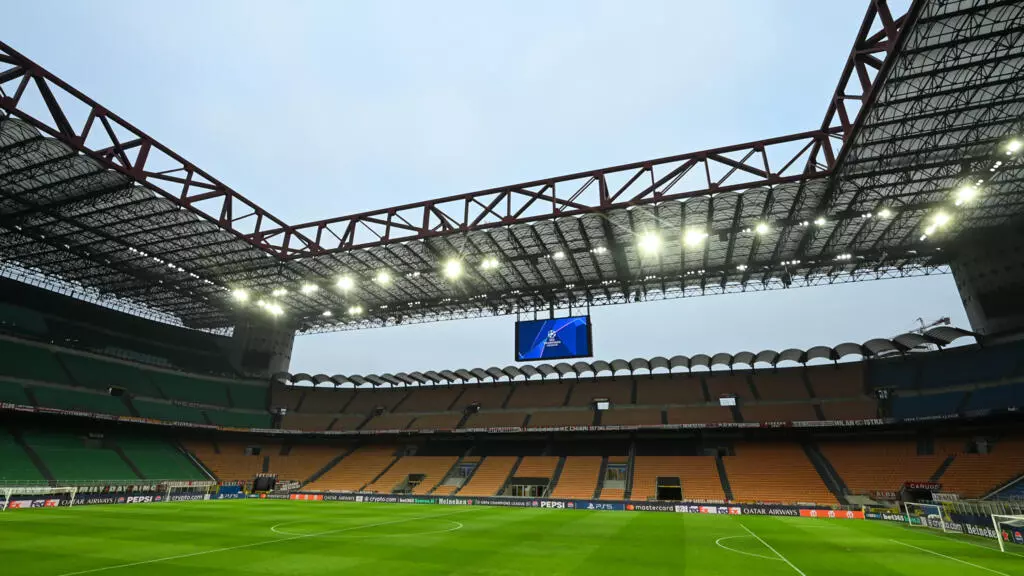
UEFA president Aleksander Ceferin issued a clear warning, stating that while the tournament will go ahead, Italy risks losing hosting duties if improvements are not made. He criticised the country’s stadiums, describing them as among the weakest in Europe.
Italy must choose five host venues by October from a shortlist of 11 cities. At present, only Juventus’s Allianz Stadium meets UEFA standards. Planned renovations to major venues such as San Siro, Stadio Diego Armando Maradona, and Stadio Artemio Franchi, along with a proposed new stadium in Rome, face tight deadlines, with construction needing to begin by March 2027.
Ceferin also highlighted broader structural issues within Italian football, including ongoing tensions between sporting authorities and political institutions. Despite his close ties with Gravina, he stressed that the problems extend beyond any single individual.
Gravina, who had led the federation since 2018 and oversaw Italy’s Euro 2020 triumph, acknowledged the scale of the crisis, saying the national game now requires a comprehensive overhaul.