
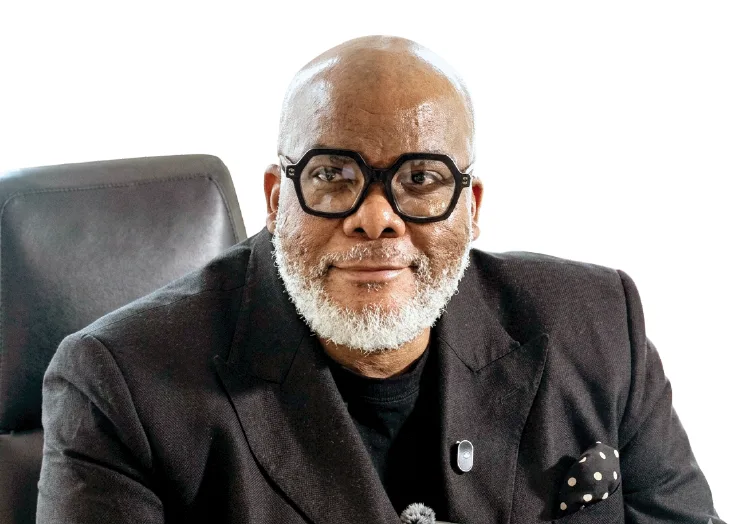
South Africa’s Consul-General to Nigeria, Prof. Bobby Moroe, has dismissed claims that Nigerians are being targeted or forced out of South Africa because of their romantic relationships with South African women.
Speaking in an interview with Punch, Moroe said people living in South Africa have the constitutional freedom to choose their partners regardless of nationality, stressing that “love knows no borders.”
“It cannot be. We live in a constitutional democracy where everybody is allowed to exercise their freedoms, and nobody, no matter how they feel, is permitted to interfere with people’s preferences,” he said.
Moroe acknowledged that the narrative about South African men being unhappy with Nigerian men dating local women has become popular but said he does not believe it accurately reflects the situation.
“Our sisters may have very good reasons why they prefer Nigerian men, but it is a good thing because we are expanding,” he said, adding that South African men also form relationships with women from other countries.
According to him, relationships and marriages between people of different nationalities are cultural realities that cannot be avoided.
Moroe also rejected suggestions that South African men generally dislike Nigerians, pointing to his own friendships and connections with Nigerians, particularly people from the South-East.
He said the major concern among some South Africans is not interracial or cross-national relationships but the presence of undocumented foreign nationals and alleged violations of the country’s laws.
“What most South Africans are complaining about is that some, not all, foreign nationals, including Nigerians, Ghanaians and others, do not respect the laws of the country,” he said.
Moroe argued that no country should be expected to allow people to remain within its borders illegally and said South Africa is sometimes unfairly labelled xenophobic whenever concerns about undocumented migration are raised.
He maintained that peaceful demonstrations over immigration issues should not automatically be described as xenophobic, especially when similar concerns are raised in other countries without attracting the same label.
Moroe also addressed allegations of extrajudicial killings involving Nigerians in South Africa.
He cited a recent case involving a Nigerian national in Cape Town who was reportedly facing arrest over allegations of selling prohibited substances.
According to Moroe, the man allegedly swallowed some of the substances after learning that he was going to be arrested and later died from complications before police arrived.
He said the incident was subsequently described as an extrajudicial killing, although he acknowledged that the accuracy of the information available to him had not been independently established.
Moroe stressed that South Africa should accept responsibility where appropriate but should not be blamed for incidents for which authorities are not responsible.