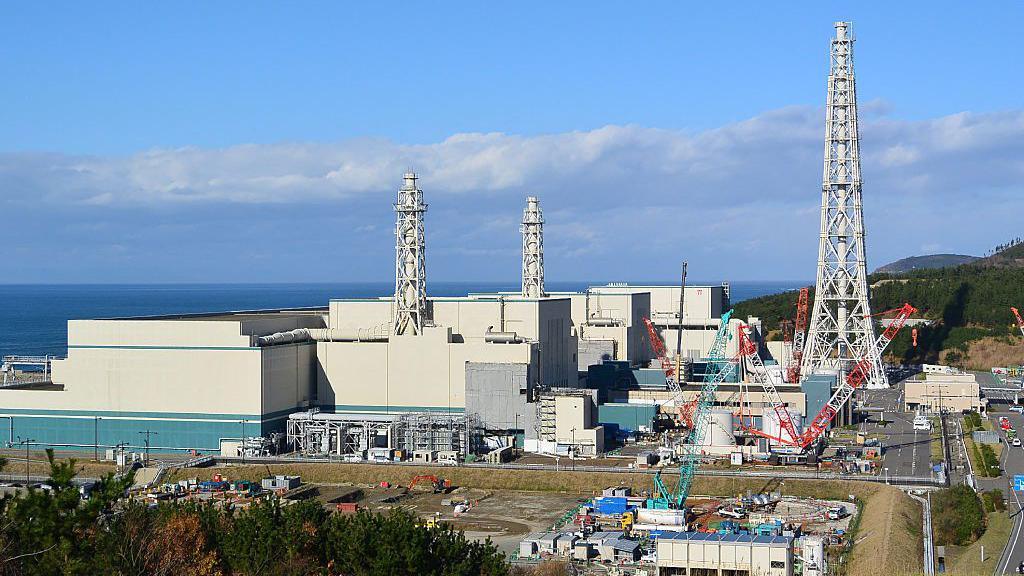
Japan has suspended the restart of the world’s largest nuclear power plant just one day after operations resumed, with the operator saying it is still unclear when the issue will be resolved.
The Kashiwazaki-Kariwa Nuclear Power Plant had remained offline since the 2011 Fukushima disaster, but began restart procedures on Wednesday after receiving final regulatory approval. However, Tokyo Electric Power Company (TEPCO) confirmed on Thursday that an alarm was triggered during startup, forcing the process to be halted.
“An alarm from the monitoring system sounded during the reactor startup procedures,” TEPCO said. Site superintendent Takeyuki Inagaki told reporters the problem may not be fixed quickly, adding: “We don’t expect this to be solved within a day or two. There is no telling at the moment how long it will take.”
TEPCO spokesperson Takashi Kobayashi said engineers began investigating malfunctioning electrical equipment following the alarm. “Once it became clear that it would take time, we decided to reinsert the control rods in a planned manner,” he explained, stressing that the reactor remains stable and there has been no radioactive impact outside the facility.
Control rods are key safety components that regulate the nuclear chain reaction, slowing or stopping it completely when fully inserted into the reactor core.
The restart had already faced an earlier delay this week after a separate technical issue involving control rod removal was detected over the weekend, which TEPCO said was resolved on Sunday, January 18.
Located in Niigata prefecture, Kashiwazaki-Kariwa is the largest nuclear power station in the world by capacity, although only one of its seven reactors was involved in the attempted restart. The plant was shut down after Japan suspended nuclear operations nationwide following the 2011 earthquake, tsunami, and Fukushima nuclear meltdowns.
Japan has been pushing to revive nuclear energy as it seeks to reduce fossil fuel dependence, meet growing electricity demand driven by artificial intelligence, and achieve carbon neutrality by 2050. Kashiwazaki-Kariwa’s restart is the first attempt involving a TEPCO-run reactor since the Fukushima crisis, while the company continues decommissioning work at Fukushima Daiichi.
In Niigata, residents remain divided on the plant’s return. A September survey found about 60% opposed the restart, while 37% supported it. Local opposition has also grown in recent weeks, with campaigners warning the facility sits on an active seismic fault zone and pointing to damage from a major earthquake in the region in 2007.
Earlier this month, seven anti-restart groups submitted a petition signed by nearly 40,000 people to TEPCO and Japan’s Nuclear Regulation Authority, urging authorities to halt the reopening.