
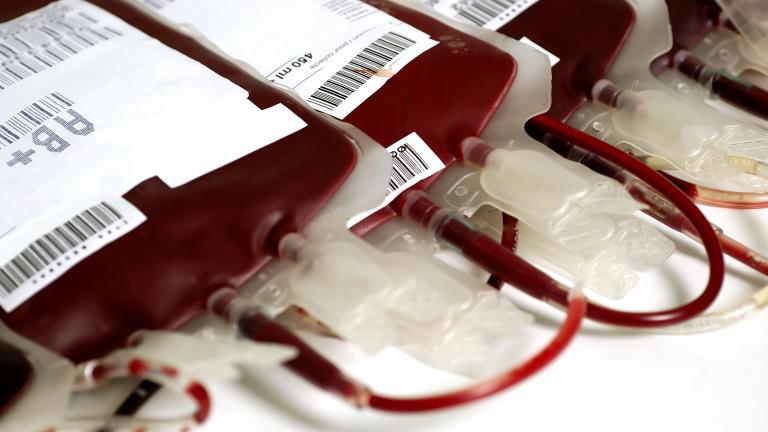
Jehovah’s Witnesses have issued a significant clarification on their stance regarding blood transfusions, allowing members to decide whether their own blood can be used during surgery or medical procedures.
While the longstanding prohibition on receiving another person’s blood remains in place, the updated guidance gives individuals greater discretion in life-saving treatments involving their own blood.
Religious reasoning and biblical guidance
In a video statement released on Friday, Governing Body member Gerrit Lösch said the clarification is intended to give Christians the freedom to make personal decisions about the use of their own blood in medical care.
He stressed that although abstaining from blood remains a core doctrinal principle, the Bible does not address the use of one’s own blood in medical settings.
“Regarding the use of one’s own blood, a Christian must decide for himself how it will be handled during a surgical procedure, medical test, or therapy,” he said.
Lösch referenced biblical instructions given to Noah and under the Mosaic Law, noting that Christians today are not required to follow commands such as pouring out blood and covering it with dust.
According to him, many Jehovah’s Witnesses already accept certain medical procedures involving their own blood, including blood tests, heart-lung machines, cell salvage techniques, and kidney dialysis.
He added that members may now choose whether their blood can be removed, stored, and returned during surgery.
“After much prayer and careful consideration of the Scriptures, the Governing Body has clarified our position on the use of a patient’s own blood in medical and surgical care,” Lösch said.
“Some Christians may allow their blood to be stored and later returned to them, while others may object. Each individual must make a personal decision on matters involving their own blood in medical treatment.”
Nigeria spotlight: the AuntieEsther case
The issue has drawn renewed attention in Nigeria following the death of cancer patient and social media personality Mensah Omolola, popularly known as AuntieEsther, in December 2025.
She had publicly declined a blood transfusion recommended by doctors on religious grounds, opting instead for alternative treatments backed by public donations exceeding ₦30 million.
Despite warnings from her church about possible disciplinary action, including disfellowship, she maintained her position. Her death has since sparked widespread debate over the balance between religious beliefs and medical advice.
The new clarification allows Jehovah’s Witnesses to exercise personal choice regarding the use of their own blood, reflecting both their religious convictions and evolving medical practices.
Historical context: why blood is avoided
The rejection of blood transfusions has long been a defining belief of Jehovah’s Witnesses, based on biblical teachings rather than medical concerns.
A 2019 statement addressed common misconceptions, emphasising that members do not reject medical care. “God views blood as representing life. We abstain from it not only in obedience to God but also out of respect for Him as the Giver of life,” it said.
This belief is rooted in several biblical passages, including Genesis 9:4, Leviticus 17:10, Deuteronomy 12:23, and Acts 15:28–29, which instruct followers to abstain from blood.
Over time, Jehovah’s Witnesses have embraced modern medical advances that align with their faith. Bloodless treatment methods—such as cell salvage, heart-lung machines, and dialysis—enable patients to receive quality care while adhering to their religious principles.
The church also rejects the notion that its members rely on faith healing, noting that avoiding blood transfusions does not necessarily lead to poorer medical outcomes.
