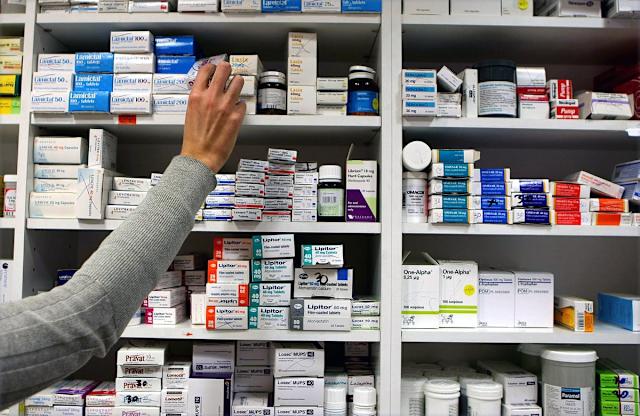
The UK’s National Health Service could face shortages of common prescription medicines, including products containing paracetamol and aspirin, as early as June if disruption linked to the Middle East conflict continues.
Industry body Medicines UK, which represents companies responsible for around 85 per cent of NHS prescriptions, said supply chains are coming under increasing pressure due to the blockade of the Strait of Hormuz.
The group warned that essential chemicals used in medicine production are becoming harder to source, with some manufacturers reportedly receiving only a small share of their usual supplies. This has already begun affecting both availability and costs.
Medicines most at risk include stronger pain relief products such as co-codamol, along with certain antibiotics and medicines used to prevent strokes. Many of these rely on petrochemical ingredients impacted by global shipping disruptions.
While widespread shortages have not yet emerged, the organisation warned the situation could worsen quickly if instability continues.
The crisis comes amid broader economic fallout from the conflict, with shipping routes disrupted, fuel prices rising, and transport costs increasing. Reduced traffic through the Strait of Hormuz has placed further strain on industries dependent on oil and petrochemical exports.
Experts say modern medicine supply chains are highly interconnected, meaning disruption in one area can trigger shortages elsewhere. The widespread use of just-in-time stock systems has also made supplies more vulnerable to sudden shocks.
The UK Department of Health and Social Care said it is closely monitoring developments and insisted most medicines remain available. Officials added that contingency plans, including reserve stock and alternative sourcing, are in place.
However, healthcare leaders warned that if the conflict drags on, shortages could begin to affect both routine prescriptions and critical care medicines.