The Federal Government has announced that it is considering imposing flight restrictions on countries currently battling Ebola outbreaks, including Uganda, the Democratic Republic of Congo (DRC), and South Sudan.
The move is part of efforts to prevent the deadly virus from spreading into Nigeria.
Chief of Staff to the President, Femi Gbajabiamila, disclosed the development on Thursday, May 28, following a high-level meeting in Lagos to assess Nigeria’s preparedness and response plans against a possible Ebola outbreak.
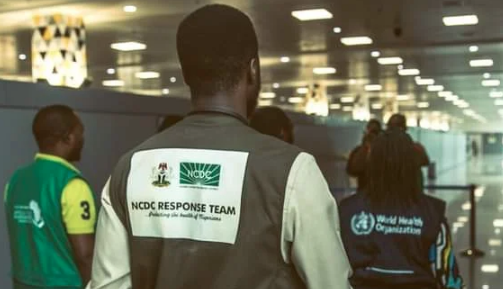
According to Gbajabiamila, the government is also considering additional measures, including isolating travellers who display symptoms associated with Ebola at airports and other entry points.
The meeting was attended by key health and security officials, including the Director-General of the Nigeria Centre for Disease Control and Prevention (NCDC), Dr. Jide Idris, Minister of Interior Olubunmi Tunji-Ojo, and Lagos State Commissioner for Health, Prof. Akin Abayomi.
Gbajabiamila said President Bola Tinubu has been fully briefed on the worsening Ebola situation in Uganda and the DRC and has directed authorities to take all necessary steps to prevent any outbreak in Nigeria.
“We do not want to leave anything to chance,” Gbajabiamila said.
He explained that authorities are reviewing options such as restricting flights from affected countries, isolating symptomatic passengers, and using designated facilities at airports to screen travellers arriving from high-risk regions.
The Minister of Interior, Olubunmi Tunji-Ojo, assured Nigerians that all entry points into the country would be placed under enhanced surveillance.
He added that the Nigeria Immigration Service would work closely with the NCDC to strengthen early detection and emergency response mechanisms.
Meanwhile, NCDC Director-General Dr. Jide Idris warned that Ebola remains a highly dangerous disease and stressed the importance of vigilance among healthcare workers and the general public.
He revealed that preparedness plans have already been activated across all 36 states, while public awareness campaigns are being intensified to educate Nigerians on prevention and response measures.
Dr. Idris also emphasized that public health measures such as early detection, isolation, infection control, and public awareness remain the most effective tools in preventing the spread of Ebola.