
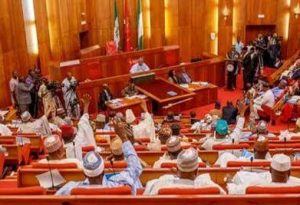
The Nigerian Senate Committee on Reparations and Repatriations has announced a strategic meeting with ambassadors and high commissioners of African nations, set to take place on June 30. The dialogue aims to strengthen continental efforts to demand reparations for colonial injustices and reclaim Africa’s looted cultural, human, and economic heritage from Western powers.
Committee Chairman, Senator Ned Nwoko, disclosed the upcoming engagement on Friday during a one-day interactive session in Abuja focused on restitution and reparative justice. Nwoko, who represents Delta North Senatorial District, reaffirmed the Senate’s commitment to addressing historical and ongoing injustices suffered by Nigeria and the wider African continent.
“Our work is structured, evidence-based, and far-reaching. It is not symbolic or ceremonial,” Nwoko said. “We are empowered to investigate both past and ongoing injustices—local and international—and make concrete recommendations for compensation and redress.”
To support this mission, the committee is building alliances across legislative bodies, civil society, academia, and international partners. It is also engaging development strategist and cultural advocate Chukwuebuka Anyaduba as a consultant to lead strategy, stakeholder engagement, and communications—particularly around the repatriation of stolen artefacts.
The committee is currently drafting legal and policy frameworks grounded in both national and international law to aid restitution efforts. It plans to work closely with professionals from fields including law, history, anthropology, diplomacy, and economics.
Senator Nwoko emphasized the committee’s openness to addressing a wide range of injustices—excluding matters that are sub judice. He cited examples such as oil pollution in the Niger Delta, extrajudicial killings, corporate exploitation, lead poisoning in Zamfara, and illegal demolitions in areas like Daki Biyu.
“We are ready to take on cases involving military abuse, corporate exploitation, or government negligence,” he said. “Our doors are open to all Nigerians and Africans seeking justice, provided the matter is not before a court. If litigants want the committee to intervene, they may consider withdrawing their cases.”
Through diplomacy, dialogue, and legislative action, the Senate Committee hopes to spark a global movement in support of Africa’s call for reparative justice and cultural restitution.

