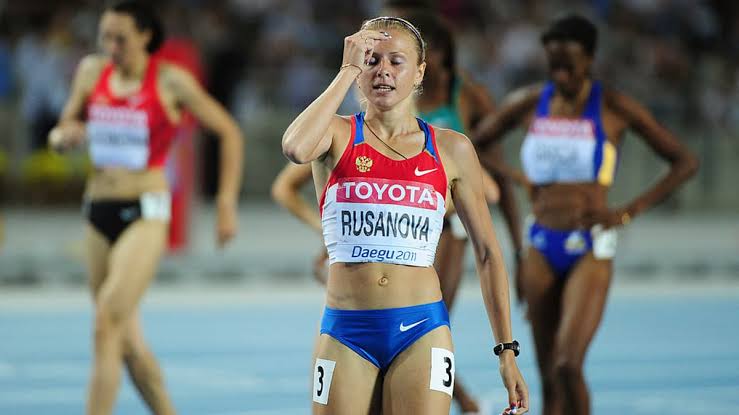
The Russian Athletics Federation has announced plans to appeal to the Court of Arbitration for Sport (CAS) over World Athletics’ decision to maintain its ban on Russian track and field athletes from international competition.
In a statement, the federation said the continued suspension unfairly affects Russian athletics and deprives athletes of the opportunity to compete on what it considers discriminatory grounds.
World Athletics recently confirmed that the sanctions imposed on Russian and Belarusian athletes in March 2022, following Russia’s invasion of Ukraine, will remain in force.
World Athletics President Sebastian Coe said the organisation’s governing council had carefully reviewed the restrictions and possible conditions for a future return of affected athletes. However, he maintained that the suspension remains necessary to safeguard the integrity and fairness of international competitions.
According to Coe, there has been no significant progress toward a peace settlement that would justify lifting the sanctions.
The position adopted by World Athletics differs from that of several other international sporting bodies. In recent months, both the International Skating Union and World Gymnastics have moved to ease restrictions on Russian and Belarusian competitors under specific conditions.
The International Olympic Committee (IOC) has also indicated that some Russian athletes may be allowed to compete in qualification events and team competitions ahead of the 2028 Olympic Games in Los Angeles, provided they meet strict eligibility requirements.
Speaking after an IOC Executive Board meeting in Lausanne, board member Kirsty Coventry said the organisation wants to ensure athletes are not automatically excluded from the Olympic movement because of decisions made by their governments.
Despite those concessions, the IOC has retained several sanctions against Russia. Athletes competing under neutral status remain prohibited from displaying the Russian flag or hearing the national anthem at events. They must also satisfy stringent anti-doping requirements, while individual sports federations retain the authority to determine participation rules within their disciplines.
Ukrainian officials have criticised the IOC’s decision to relax some restrictions, arguing that such measures are premature while the conflict continues.
World Athletics has also highlighted the ongoing impact of the war on Ukrainian sport. The organisation said many athletes continue to face serious challenges due to damaged infrastructure and disruptions to training and competition schedules.
Although a humanitarian support fund established in 2022 has provided assistance to Ukrainian athletes, World Athletics stressed that conditions remain difficult.
Coe said he would support the return of Russian athletes if a lasting peace agreement is reached, but added that his visits to Ukraine have reinforced the importance of maintaining the current position.
Reflecting on a trip to Kyiv, he described witnessing the human cost of the war firsthand, including ambulances, hearses and medical facilities treating those injured in the conflict.
According to Coe, those experiences have made it difficult to remain detached from the realities facing Ukraine as the war continues.