
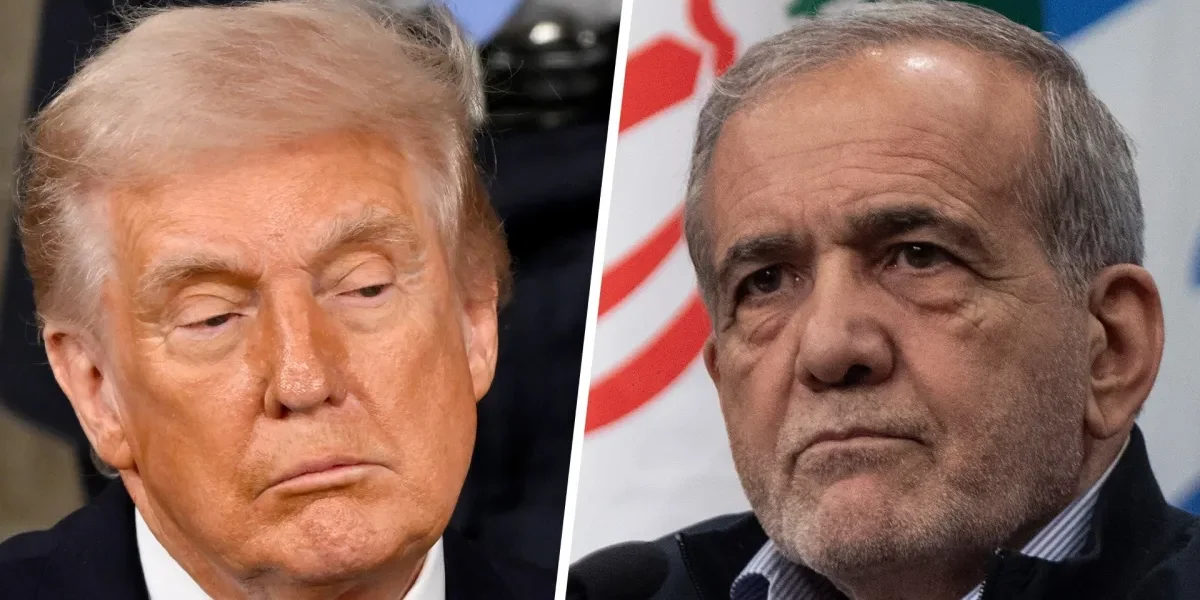
Iran has rejected a 15-point ceasefire proposal put forward by U.S. President Donald Trump, instead presenting its own set of conditions to bring an end to the ongoing conflict.
Despite Trump’s claim that Iran had agreed to key elements of his plan — including abandoning its nuclear weapons ambitions — Iranian officials dismissed the proposal as unacceptable, according to state media.
In response, Tehran has outlined demands that significantly differ from Washington’s position. Iranian lawmakers proposed that Iran take full control of the Strait of Hormuz, a vital global shipping route, and oversee its security. The move would also allow Iran to charge transit fees on vessels passing through the strait, similar to Egypt’s model with the Suez Canal.
The Islamic Revolutionary Guard Corps (IRGC), which has gained increasing influence within Iran, has vowed to continue the war until the United States withdraws all military bases from the Gulf region and provides compensation for damages caused by its strikes.
Iran is also calling for the complete lifting of international sanctions, a permanent end to the war, and a halt to Israel’s conflict with Hezbollah in Lebanon. Notably, Tehran’s proposal makes no concessions on its missile program, insisting it should remain unrestricted and not subject to negotiations.
These demands sharply conflict with Trump’s peace plan, which includes dismantling Iran’s nuclear infrastructure, banning uranium enrichment, limiting missile capabilities, and ending support for regional proxy groups. In exchange, the U.S. had offered sanctions relief and support for a civilian nuclear program.
A U.S. official reportedly described Iran’s counterproposal as “unrealistic,” highlighting the deep divide between both sides.
Iranian authorities have criticised Trump’s plan as excessive and disconnected from the realities of the war, now entering its fourth week. A senior official stated that the conflict would end only when Iran decides its conditions have been met.

