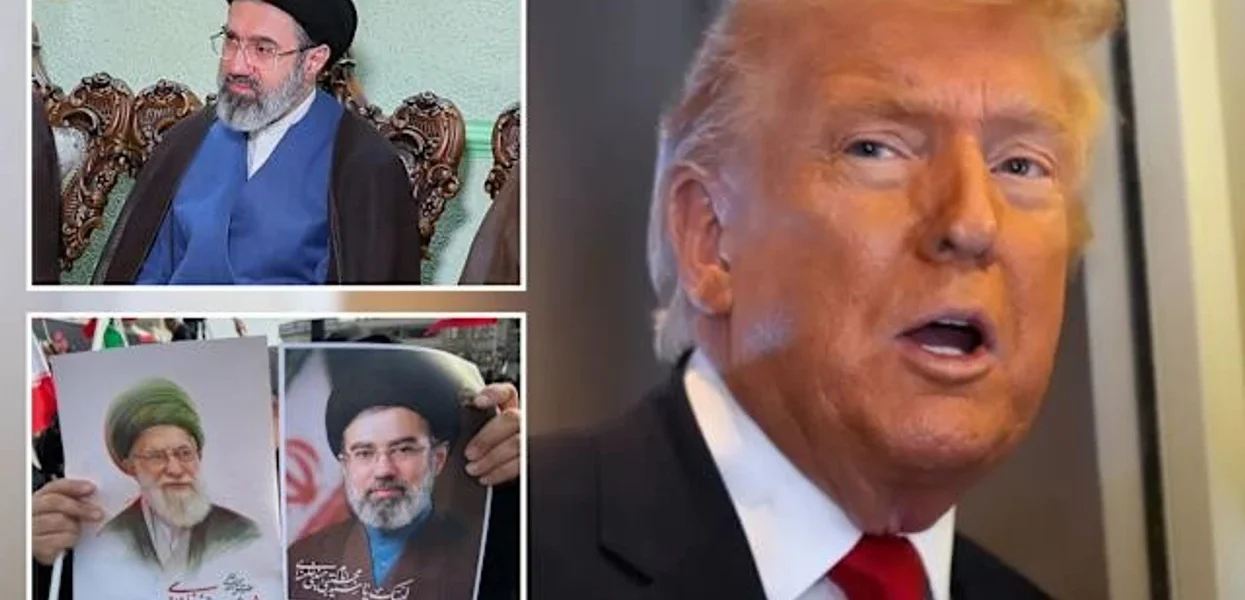
US President Donald Trump has escalated tensions with Iran after the country rejected a proposed ceasefire deal, issuing a strong warning that failure to reopen the Strait of Hormuz could lead to major military action.
Speaking at a press conference, Trump said the United States could target Iran’s critical infrastructure if an agreement is not reached by the set deadline. He warned that key sites, including bridges and power facilities, could be destroyed rapidly, intensifying already heated rhetoric between the two nations.
The deadline for compliance was set for Tuesday evening, with Trump signalling that any delay or refusal would trigger immediate consequences. He also claimed Iran had already been “militarily defeated” and suggested the US could assert control over the strategically vital Strait of Hormuz, even proposing the idea of charging tolls for its use.
The warning follows Iran’s rejection of a reported ceasefire plan, sometimes referred to as the “Islamabad Accords.” The proposal included a temporary truce, reopening of the waterway, and further negotiations aimed at addressing sanctions and nuclear-related concerns.
Iranian officials dismissed the offer, insisting they would only consider a permanent resolution that guarantees protection against future attacks. Foreign Minister Abbas Araqchi and other leaders made clear that Iran would not accept terms imposed under pressure.
In response to Trump’s remarks, Iranian military officials warned that any escalation—particularly strikes on civilian infrastructure—would provoke a severe and widespread response across the region
The situation remains volatile, with reports of ongoing military activity. Strikes have been reported in parts of Tehran, while Iran has launched missiles toward regional targets, including areas linked to US interests and its allies. Israel has also been involved, carrying out strikes on Iranian infrastructure, including energy facilities.
Diplomatic efforts to de-escalate the conflict have involved multiple international figures, including US Vice President JD Vance and Pakistan’s army chief Asim Munir, though no breakthrough has been achieved.
With both sides maintaining firm positions, the Strait of Hormuz remains at the center of the crisis. As a crucial route for global oil shipments, any disruption to the waterway carries significant economic and geopolitical risks.