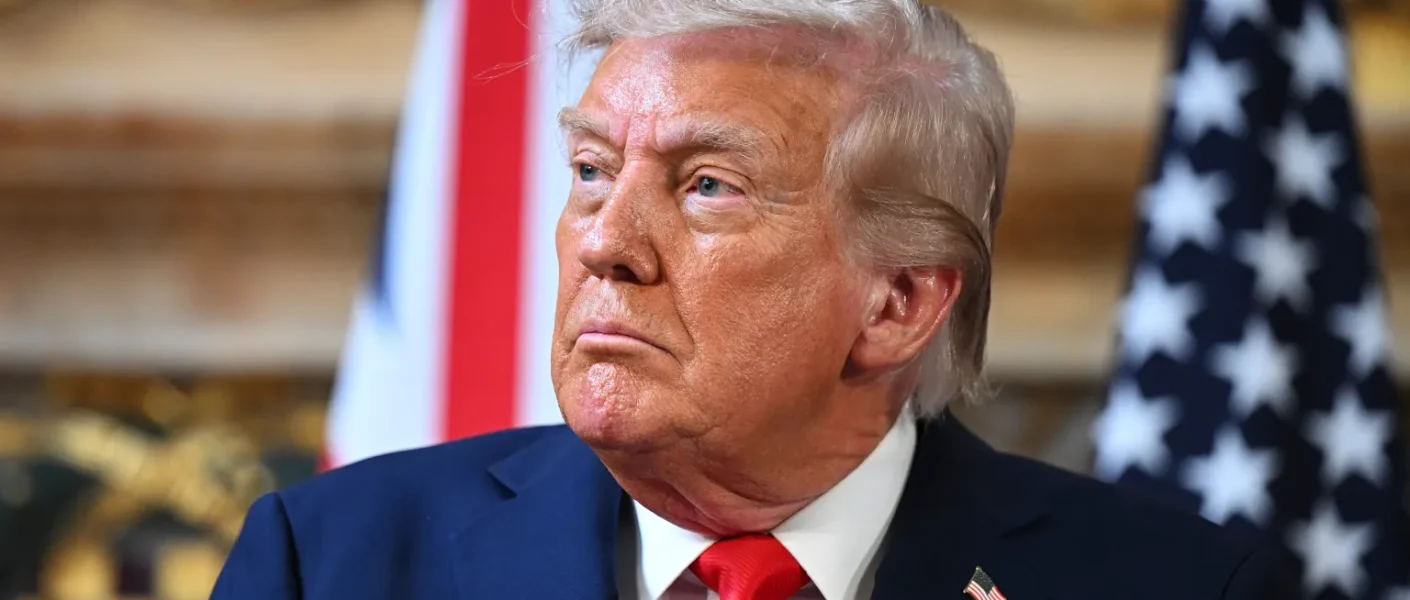
U.S. President Donald Trump has signed an executive order designating the Oval Office as a national monument, in a move aimed at preventing future administrations from demolishing or making major structural changes to the historic room.
Trump signed the proclamation on Thursday, November 5, as he continued with his extensive renovation projects at the White House, despite his Republican Party suffering a major defeat in the midterm elections, which handed control of both the House of Representatives and the Senate to Democrats.
The president has faced criticism for prioritising construction projects, including the ongoing development of a new White House ballroom, amid pressing national concerns such as the ongoing war with Iran and the rising cost of living.
Speaking to reporters on Thursday, Trump showcased the newly designated protected areas, which include the Oval Office and the adjoining Cabinet Room. Both rooms have undergone significant decorative changes since his return to the White House, featuring extensive gold ornaments.
“It won’t be able to be taken down, touched, or anything else. It’s called actually a national monument,” Trump said.
The designation is intended to legally prevent future occupants of the White House from carrying out structural alterations or major remodelling projects in the two rooms.
The move has also fuelled speculation about possible further changes to the West Wing, following earlier suggestions that the administration could relocate the nearby White House briefing room.
Although major U.S. television networks did not broadcast the signing ceremony, amid the White House’s continued exclusion of CNN from the presidential press pool, Trump also addressed his party’s midterm election defeat.
The 80-year-old president displayed a red baseball cap bearing the word “veto” on the Resolute Desk, signalling his intention to use his executive veto powers to block legislation proposed by the incoming Democratic-led Congress.
However, Trump also expressed willingness to work with Democrats on bipartisan initiatives.