
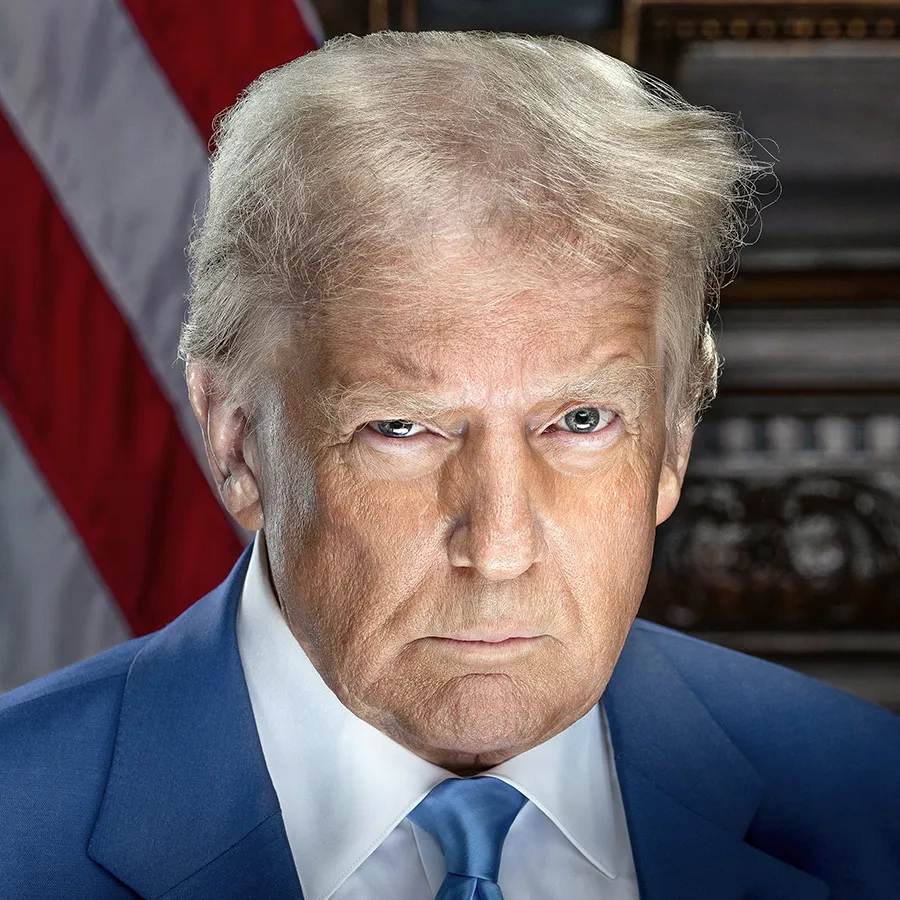
U.S. President Donald Trump has refiled his $15 billion defamation lawsuit against The New York Times, just weeks after a federal judge dismissed the original case for being too long and overly dramatic.
The new suit, filed on Thursday, October 16 in a Florida court, is 40 pages long—less than half the size of the previous 85-page version that Judge Steven Merryday tossed out in September. The judge had criticized the original filing for its repetitive and exaggerated style.
According to court documents, Trump is now suing The New York Times, three of its reporters, and Penguin Random House over what he calls “false, defamatory, and malicious publications.” The lawsuit focuses on two Times articles and a book published by Penguin Random House.
Trump’s legal team claims the publications damaged his reputation, stating they “wrongly defame and disparage President Trump’s hard-earned professional reputation.” The lawsuit accuses the defendants of acting with “actual malice,” the key legal threshold in U.S. defamation cases involving public figures.
The complaint seeks at least $15 billion in compensatory damages, plus unspecified punitive damages.
Trump’s lawyers described the case as part of a broader fight against what they call “media corruption and political persecution.” Trump has frequently accused major media outlets—including The New York Times, CNN, and The Washington Post—of biased and unfair coverage, often branding them as “fake news.”
This isn’t Trump’s only recent legal action against the press:
- In July 2025, he sued Rupert Murdoch and The Wall Street Journal for $10 billion, alleging false links to a letter connected to Jeffrey Epstein.
- That same month, he reached a $16 million settlement with Paramount Global over a 60 Minutes segment he claimed was misleading and favored Kamala Harris, his opponent in the 2024 election.
While critics view these lawsuits as attempts to intimidate journalists, Trump’s supporters argue they are necessary to challenge what they believe is biased and damaging media coverage.
The New York Times has not yet commented on the new lawsuit.