
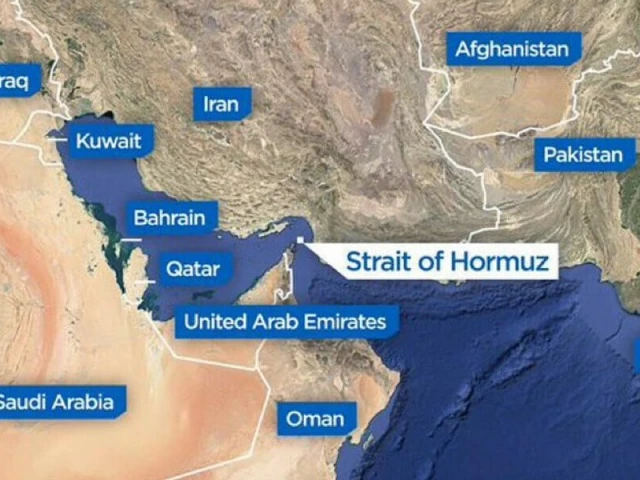
The United Arab Emirates has emphasized that any agreement to ease tensions between the United States and Iran must guarantee unrestricted passage through the Strait of Hormuz, stressing that the strategic waterway should not be used as a bargaining tool in geopolitical disputes.
Senior UAE official Anwar Gargash said the Strait, one of the world’s most important oil transit routes, must be treated as a global economic priority. “Uninterrupted navigation through the channel must be a core part of any settlement,” he stated.
While supporting efforts to end the conflict, Gargash warned that a ceasefire alone would not be sufficient if underlying issues—such as Iran’s nuclear ambitions and its missile and drone capabilities—remain unaddressed. He cautioned that ignoring these risks could make the Middle East more dangerous and unstable.
Gargash also indicated that the UAE is ready to back international efforts, particularly those led by the United States, to secure shipping routes in the Strait if necessary. The waterway handles about one-fifth of the world’s daily oil and liquefied natural gas shipments, but recent hostilities have disrupted traffic, fueling global energy concerns.
The conflict escalated after the United States and Israel carried out strikes on Iran following the collapse of nuclear negotiations. Iran responded with missile and drone attacks targeting Israel, U.S. bases, and critical infrastructure in the Gulf, including ports and energy facilities.
Gargash revealed that the UAE has faced some of the heaviest attacks among Gulf nations but affirmed the country’s resilience. He noted that while the UAE’s economy remains fundamentally strong, recovery from the crisis will require substantial effort.
He also warned that Iran’s actions could drive closer security cooperation between Gulf states and Washington, potentially increasing U.S. military presence in the region and boosting Israel’s influence. According to regional assessments, Iran appears to be targeting energy infrastructure and shipping lanes to raise the cost of conflict for U.S. allies in the Gulf and pressure them toward ending military operations.
Despite previous diplomatic efforts by Gulf nations to maintain stability and avoid direct confrontation, tensions have intensified. Gargash stressed that while the UAE does not seek conflict, trust remains limited under Iran’s current leadership.
He concluded by calling for long-term measures to ensure regional stability, warning that unresolved tensions in the Gulf could further threaten both security and global energy markets.