
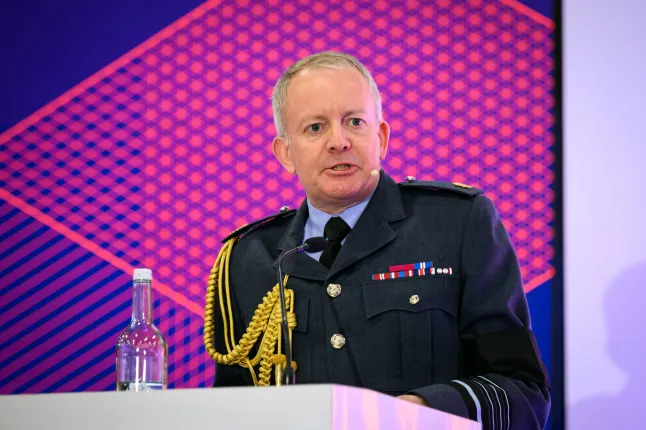
The United Kingdom may have to rethink its priorities and make difficult decisions as it confronts growing security threats from Russia, the country’s Chief of the Defence Staff, Sir Richard Knighton, has warned.
Speaking on BBC Radio 4’s Today programme, Knighton described the current security environment as the most dangerous he has experienced in his 35-year military career and stressed the need for Britain to prepare for potentially prolonged conflicts.
“In my 35-year career, this is the most dangerous period that I have known,” he said. “It is important that we enhance the capability and readiness of our armed forces, alongside our allies, to deter our adversaries from doing something reckless.”
Knighton pointed to a range of Russian activities—including cyberattacks, technology smuggling, sabotage operations and assassination attempts—as examples of efforts to test and undermine Western defences.
He also highlighted the growing importance of drone technology, saying unmanned systems will play a critical role in future warfare and should receive greater investment.
“Over the last two decades, we have been preparing for shorter wars and conflicts that are confined and limited,” he said. “What we need to ready ourselves for is potentially much greater, longer conflicts, as we’ve seen in Ukraine.”
The warning comes as the UK government prepares to unveil its long-awaited Defence Investment Plan ahead of the NATO summit in Turkey on July 7.
Earlier this week, Defence Secretary John Healey told Parliament that Prime Minister Keir Starmer intends to publish the plan before the summit, outlining how Britain will strengthen its military capabilities in response to evolving threats.
Concerns over regional security intensified last week after Russian drones reportedly struck a residential building in Romania, a NATO member state. The incident prompted Romania’s foreign minister to call for consultations under Article 4 of the NATO treaty, which allows members to discuss threats to their security.
The attack drew international criticism, with Starmer describing it as a “serious violation of NATO airspace.”
The Prime Minister has pledged that the upcoming defence blueprint will mark a significant increase in military spending and provide the funding needed to implement recommendations from last year’s Strategic Defence Review.
Speaking during a visit to a defence contractor in Wiltshire, Starmer said the plan would align financial commitments with Britain’s defence ambitions.
“That is the plan that says, ‘Here’s the money that goes with the capability,’” he said. “We bring the two together, and it is another step up, another increase in spending. But it is necessary—it’s the right thing to do to defend our country.”
He added that the document would be released before the NATO summit, which is now only weeks away.
The plan has reportedly been delayed by internal government debates over its cost. According to The Times, the proposed increase in defence spending is valued at more than £18 billion, although Chancellor Rachel Reeves and other ministers are said to be reviewing the scale of the commitment amid concerns about affordability.
Despite those discussions, government officials insist the investment is essential to ensure Britain remains prepared for emerging security challenges and can continue to meet its NATO obligations.