The United Kingdom’s annual inflation rate climbed to 3.3 per cent in March, driven mainly by rising energy costs linked to growing tensions in the Middle East.
New figures released by the Office for National Statistics showed the Consumer Prices Index increased from 3.0 per cent in the 12 months to February, adding fresh pressure to household budgets as fuel prices surged.
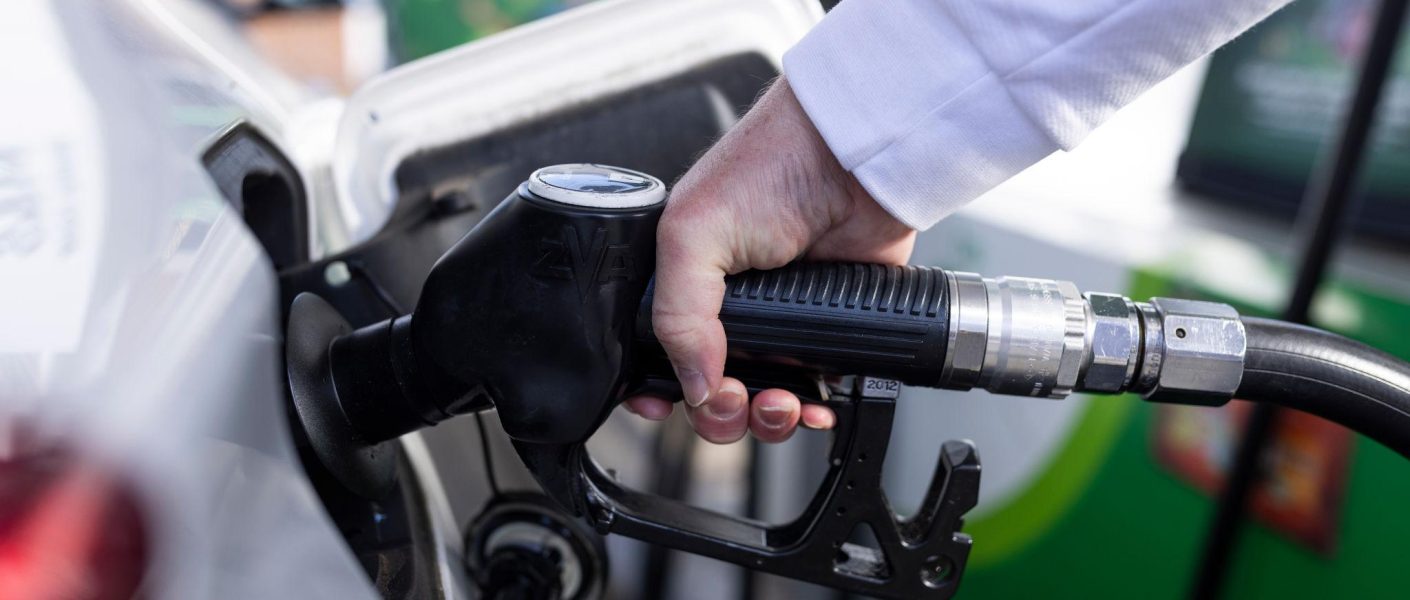
ONS chief economist Grant Fitzner said inflation rose largely because of higher fuel costs, which recorded their biggest increase in more than three years.
The latest rise comes amid global instability following the escalation of conflict involving the United States and Iran, which has disrupted energy markets and pushed oil and gas prices upward.
UK Chancellor Rachel Reeves acknowledged the impact on families and businesses, saying the conflict was not Britain’s war but was still increasing living costs. She said keeping bills down remained the government’s top priority.
The UK’s inflation rate now matches that of the United States for March, while inflation in the eurozone stood lower at 2.6 per cent.
Energy markets have remained volatile since fighting intensified in late February, with disruption around the Strait of Hormuz helping keep prices elevated despite a temporary ceasefire.
Analysts warn continued geopolitical uncertainty could keep inflation pressures high in the months ahead.