
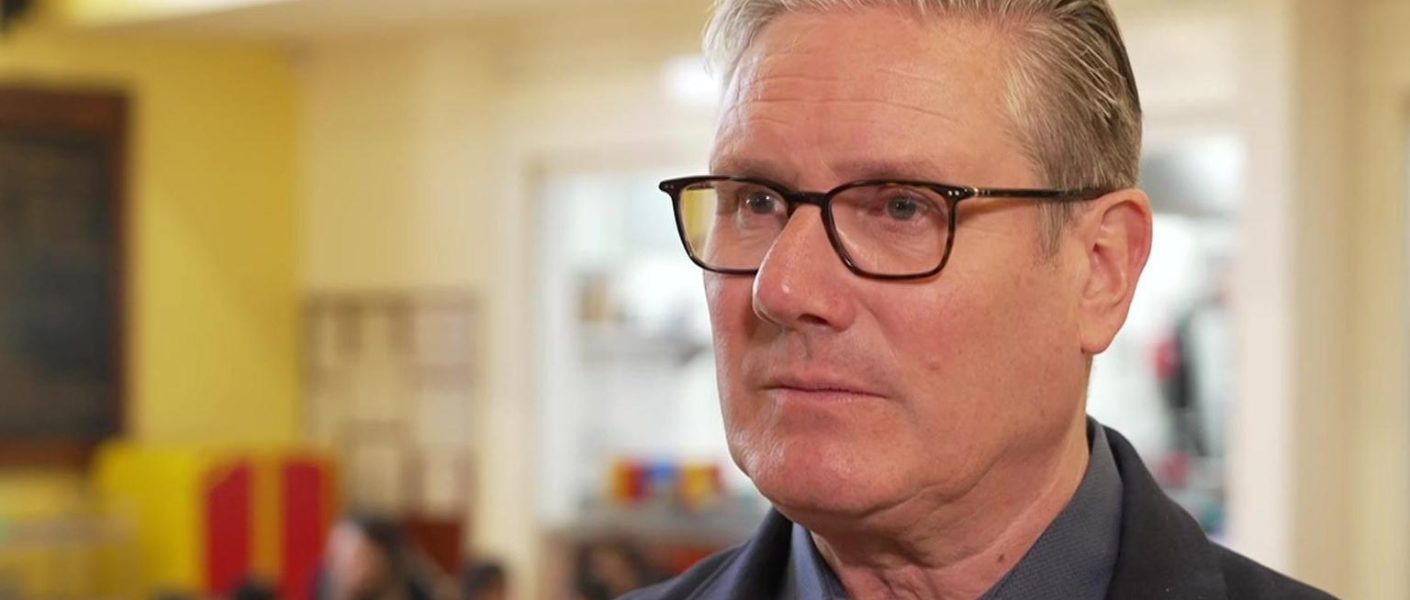
British Prime Minister Keir Starmer has announced plans to ban children under the age of 16 from accessing social media, arguing that online platforms are harming young people’s wellbeing and exposing them to dangerous content.
Speaking on Monday, Starmer said the proposed legislation would prevent under-16s from using platforms such as TikTok, Instagram, Facebook, Snapchat, YouTube and X, describing many of them as addictive and detrimental to children’s mental health. Messaging services like WhatsApp would be exempt from the ban.
The UK government aims to pass the law by the end of December, with implementation expected in spring next year.
Starmer said the move was necessary to shield children from harmful online experiences and was partly inspired by Australia, which became the first country to prohibit social media use for under-16s in December.
Beyond social media, the government is also considering stricter controls on gaming and live-streaming platforms, particularly those that allow strangers to contact children. Officials are reviewing additional measures, including overnight restrictions and limits on infinite scrolling for users under 18, with further details expected in July.
“Would you allow your child to be paired with a stranger in the real world?” Starmer asked. “No. So we’re taking action on that.”
The proposal follows a government consultation that drew around 116,000 responses, making it one of the largest public consultations in UK history. More than 83 per cent of parents who participated said the risks of social media outweigh its benefits for children, while 91 per cent supported setting the minimum age for social media use at 16.
However, the plan has attracted criticism from some technology companies. A YouTube spokesperson warned that a blanket ban could drive children toward less regulated and potentially more dangerous online services.
The announcement comes amid a broader global push to tighten online safety rules for children. Canada recently introduced legislation seeking to bar under-16s from social media and require safeguards on AI chatbots, while Indonesia began enforcing a similar social media ban for minors in March. Several European countries are also considering comparable restrictions.
The UK government has simultaneously increased pressure on technology firms to strengthen child safety protections. Last week, it ordered companies including Apple and Google to introduce features within three months that would prevent children from sending, receiving or accessing nude images on their devices.
Officials warned that if companies fail to comply, legislation would be introduced to make such protections mandatory.
The Labour government said technology firms have a moral duty to protect children from online abuse, coercion and sextortion. It added that tougher laws would also restrict children’s access to pornography and make it harder for predators to target minors online.
According to figures cited by the government from the Internet Watch Foundation, 91 per cent of online child sexual abuse reports recorded in 2024 involved self-generated content created by children.