
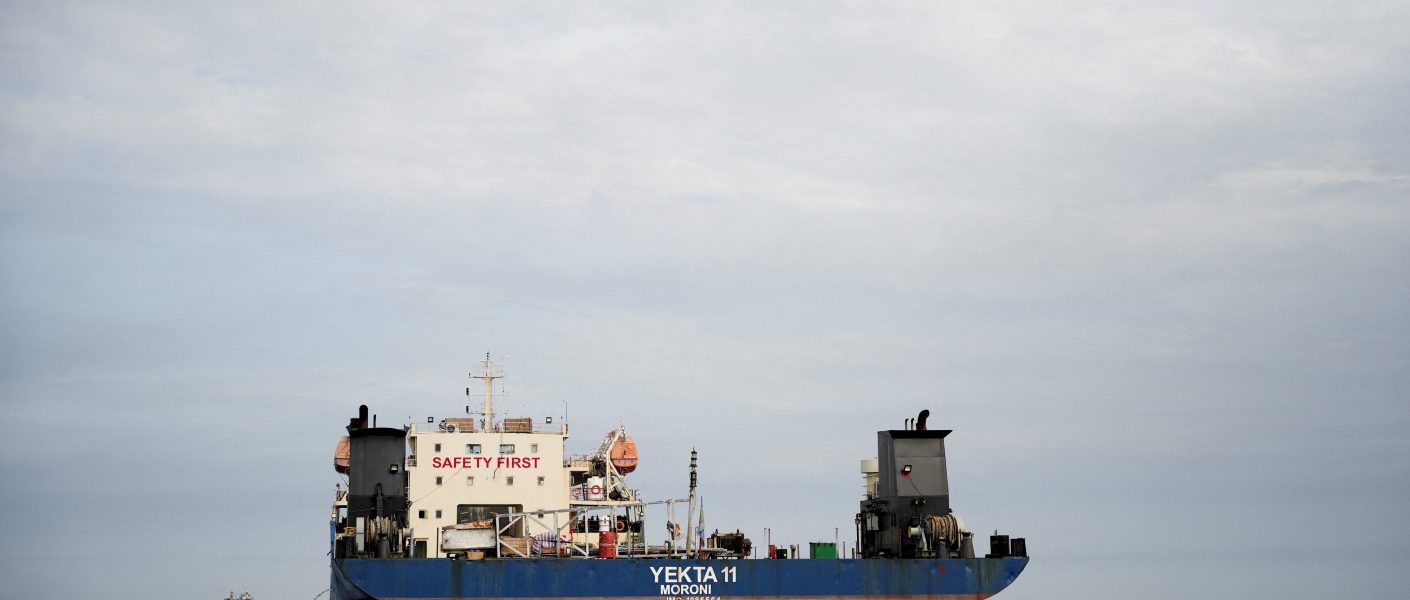
The U.S. military has announced plans to impose a full maritime blockade on all Iranian ports and coastal areas beginning Monday at 10 a.m. ET (1400 GMT), escalating tensions in the region following the breakdown of high-level talks in Islamabad.
The negotiations, which marked the first direct U.S.–Iran diplomatic engagement in over a decade, reportedly collapsed over the weekend after failing to secure a lasting agreement to end the six-week conflict. The failure has now put an already fragile two-week ceasefire under serious strain.
According to U.S. Central Command, the blockade will be enforced on all vessels entering or leaving Iranian ports in the Arabian Gulf and the Gulf of Oman, regardless of nationality. However, officials clarified that ships transiting the Strait of Hormuz to and from non-Iranian ports will not be disrupted.
U.S. President Donald Trump also stated that American forces would intercept any vessels in international waters found to have paid tolls to Iran, describing such payments as illegal.
In a parallel operation, the U.S. Navy is preparing to clear Iranian naval mines in the Strait of Hormuz to maintain safe passage for neutral commercial shipping.
The announcement triggered immediate shock in global markets, with crude oil prices surging more than 7 percent to above $100 per barrel. U.S. stock futures declined sharply, while the dollar strengthened in early Asian trading.
Iran has condemned the move, warning of severe retaliation and accusing Washington of adopting a “maximalist” position during the failed negotiations in Islamabad.
Despite the rising tensions, President Trump suggested Iran could still return to talks, although he warned that elevated energy prices may persist through the U.S. midterm elections.
Analysts have cautioned that sustaining such a large-scale maritime operation could prove challenging over time, adding that rising risks in key shipping lanes may further destabilize global trade as tanker traffic begins to avoid the region.
