The United States said it intercepted and destroyed two Iranian drones that it claimed posed a threat to shipping in the Strait of Hormuz, as the conflict involving Iran reached its 100th day on Sunday with no clear resolution in sight.
The development came amid renewed diplomatic activity, with Pakistan acting as a mediator between Tehran and Washington after weeks of indirect negotiations punctuated by threats and intermittent military exchanges.
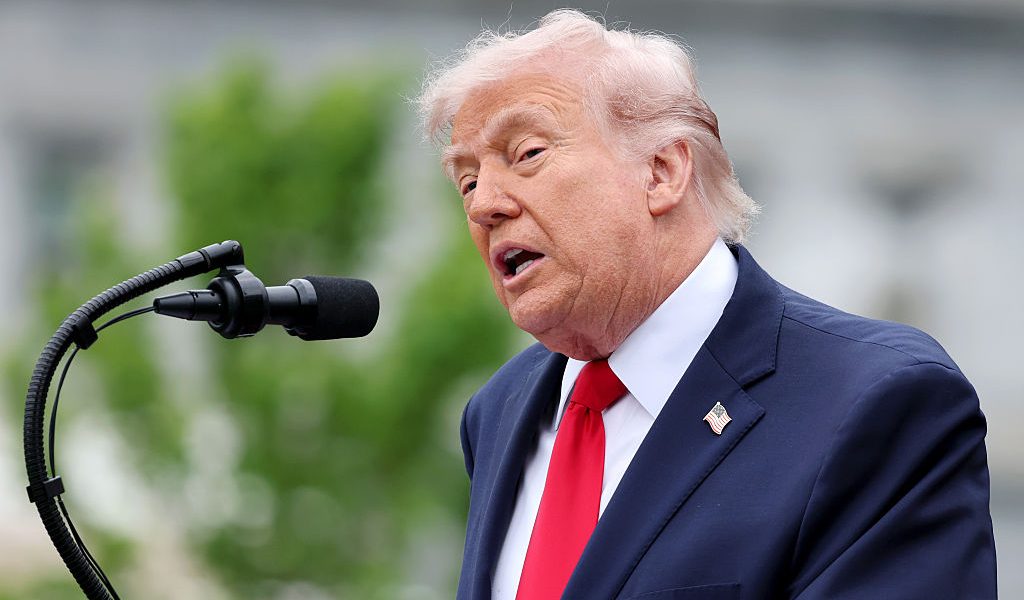
Attempts to transform a fragile ceasefire into a lasting peace agreement have repeatedly faltered, while the prolonged conflict has unsettled global markets and intensified political pressure on US President Donald Trump ahead of the upcoming midterm elections.
In a sign of fresh diplomatic engagement, Pakistan’s Interior Minister Mohsin Naqvi arrived in Tehran on Saturday carrying what he described as a “special letter” from Pakistan’s army chief, Field Marshal Syed Asim Munir, to Iran’s Supreme Leader Ayatollah Mojtaba Khamenei. Naqvi also said he was delivering a message from Pakistan’s prime minister regarding the current situation.
According to Iranian state television, Pakistan’s military leadership has been heavily involved in efforts to facilitate dialogue between Iran and the United States following a previous round of direct talks held in Islamabad.
“I think it’s a very important message,” Naqvi said upon his arrival in Tehran.
Meanwhile, US Central Command (CENTCOM) announced that it had shot down two Iranian drones that allegedly threatened international maritime traffic in the Strait of Hormuz. The statement came just hours after CENTCOM reported striking four additional drones and several Iranian coastal radar installations.
The latest military exchanges follow Iran’s missile attacks on Bahrain and Kuwait on Saturday, actions that drew strong condemnation from Gulf states and increased tensions surrounding the ceasefire agreement reached on April 8.
Iran’s Foreign Ministry condemned the recent US military actions, describing them as “flagrant” violations and accusing Washington of engaging in hostile and provocative behavior.
Mohsen Rezaei, a military adviser to Iran’s supreme leader, told CNN that negotiations with the United States had reached a stalemate. He urged President Trump to help break the impasse and called for the release of approximately $24 billion in frozen Iranian assets.
However, US officials have reportedly considered using some of those assets to help Gulf allies recover from damage caused by Iranian attacks. A source familiar with Treasury Secretary Scott Bessent’s position said the US Treasury was exploring ways to make Iranian funds available for reconstruction and repair efforts in affected countries.
Elsewhere, Lebanese Army Commander Rodolphe Haykal traveled to Pakistan for separate talks aimed at securing a permanent end to hostilities involving Israel and the Iran-backed Hezbollah movement.
Lebanon became involved in the wider conflict after Hezbollah launched attacks on Israel on March 2. Tehran has maintained that the fighting in Lebanon is closely connected to broader regional tensions and negotiations with Washington.
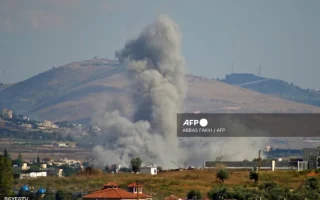
On Saturday, Lebanese authorities said an Israeli strike in southern Lebanon killed three Lebanese soldiers. The Israeli military said it was reviewing the incident and reiterated that its operations target Hezbollah rather than Lebanese government forces.
Lebanon’s Health Ministry also reported that an Israeli strike on the town of Saksakiyeh killed two women and injured 22 others.
Israel, for its part, announced the deaths of two soldiers, while its military said on Sunday that it intercepted two projectiles fired from Lebanon into Israeli territory.
Despite a ceasefire announced in April, violence has continued in Lebanon. A new conditional truce proposal unveiled this week was rejected by Hezbollah, highlighting the ongoing challenges to achieving a broader regional peace.