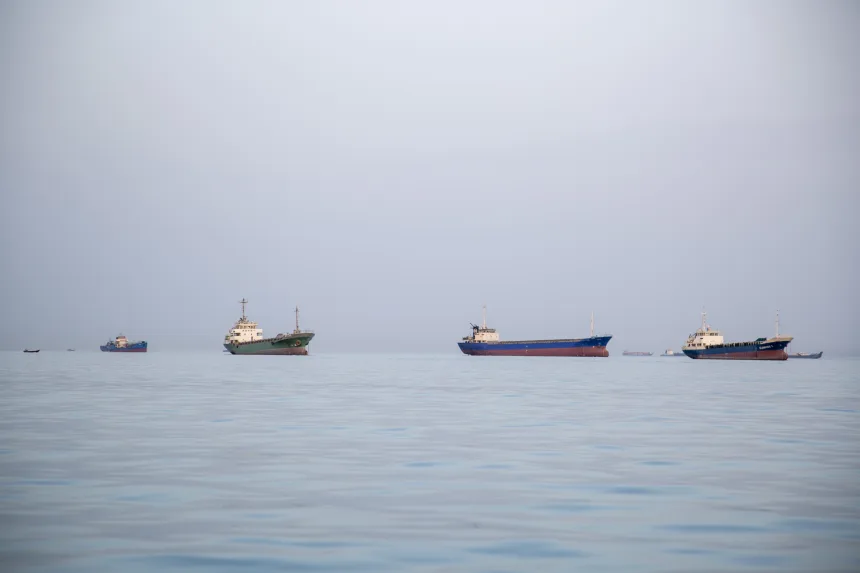
US military officials are refining contingency plans to counter Iranian defenses in the Strait of Hormuz if the current ceasefire breaks down.
The updated approach reflects a shift toward “dynamic targeting,” focusing on Iran’s asymmetric capabilities—particularly fast attack boats and minelaying vessels that have been used to disrupt global shipping routes.
This marks a departure from earlier operations that targeted sites deeper داخل Iranian territory, with the new strategy concentrating on the southern Arabian Gulf and the Gulf of Oman.
The aim is to disable small naval units and coastal defense systems that continue to threaten commercial transit, a disruption that has already put pressure on the global economy.
Beyond conventional military targets, planners are also weighing potential strikes on dual-use infrastructure and energy facilities to increase pressure for a diplomatic outcome. Options under consideration reportedly include targeting specific Iranian military figures and other officials accused of obstructing negotiations, including IRGC Commander-in-Chief Ahmad Vahidi.
The planning follows intelligence reports suggesting Iran has used the ceasefire period to reposition missile launchers and drone assets.
Although the ceasefire took effect on April 7, the Strait remains effectively closed to international tankers, with shipping companies wary of renewed escalation. While President Donald Trump has expressed a preference for diplomacy, he has made clear the truce is not open-ended.
With 19 US ships deployed in the region and a naval blockade in place since April 13, a Defense Department official said the military continues to present the President with a full range of options, adding that “all options remain on the table.”