Venezuelan lawmakers have approved a major overhaul of the country’s oil sector, paving the way for greater participation by foreign companies in a move widely viewed as an attempt to align with demands from Donald Trump’s administration.
The new legislation, backed by acting president Delcy Rodríguez, loosens long-standing state control over the energy sector and allows foreign firms to operate oilfields at their own risk and expense. Until now, Venezuela’s oil industry has been dominated by the state-owned company Petróleos de Venezuela (PDVSA).
Since the United States captured President Nicolás Maduro earlier this month, Washington has signalled strong interest in opening Venezuela’s vast oil reserves to American investment. Venezuela holds the world’s largest proven oil reserves, and Rodríguez said the reform would help maximise returns from those resources.
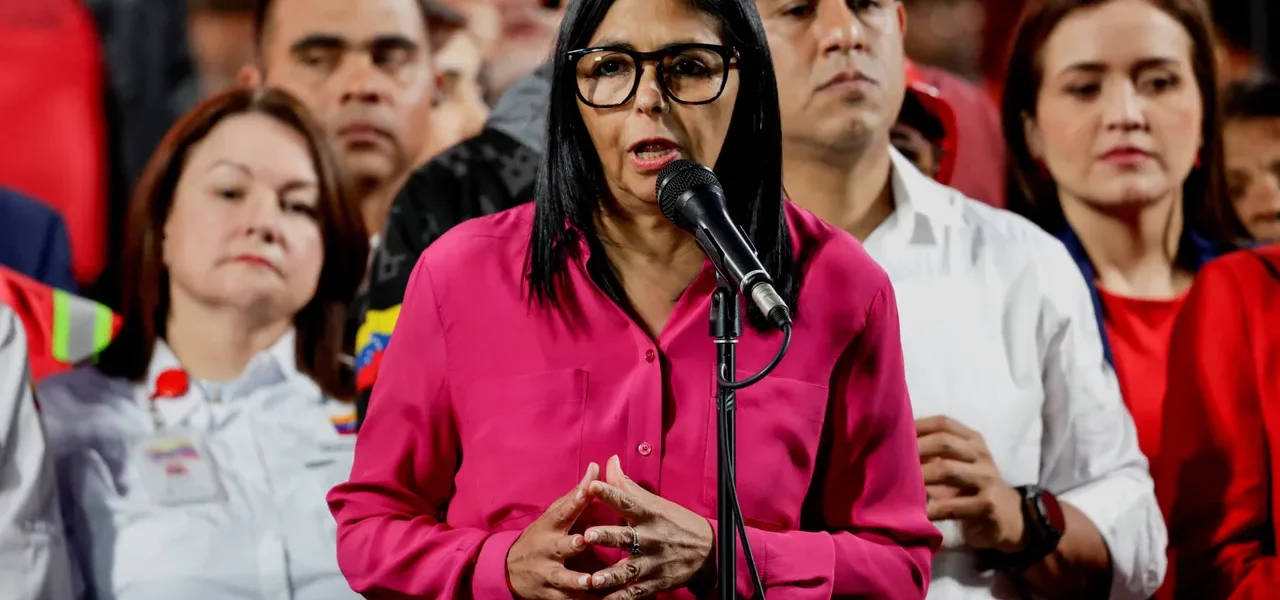
Speaking at an event marking the law’s approval, Rodríguez described the reform as historic, saying it would convert oil wealth into prosperity for Venezuelans, whom she called the rightful owners of the nation’s resources.
National Assembly leader Jorge Rodríguez, the acting president’s brother, echoed those remarks, saying the law would boost energy production, unlock undeveloped oilfields and improve living standards through increased output.
The National Assembly unanimously passed the bill in a second reading. The law still requires formal signing and publication before it can take effect.
The approval comes amid growing US interest in Venezuela’s energy assets. Earlier this month, sources said the Trump administration was considering the use of private military contractors to protect oil and energy infrastructure. Despite the shift, some executives remain wary, with the chief executive of Exxon Mobil previously describing Venezuela as “uninvestible” under current conditions.
The legislation coincided with a partial easing of US sanctions. The US Treasury issued a general license allowing American companies to engage in certain oil-related activities with the Venezuelan government, including the export, sale, storage and transportation of crude.
On the same day, Trump announced that the US would reopen commercial airspace above Venezuela, lifting earlier warnings that had discouraged airlines from operating in the country. He said American citizens would soon be able to travel safely to Venezuela.
Jorge Rodríguez credited the development to his sister’s diplomatic efforts, describing it as a positive outcome of what he called peace-driven diplomacy by the presidency.