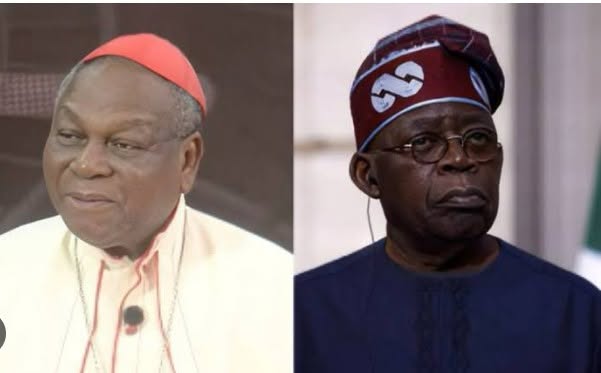
Archbishop Emeritus of Abuja, John Cardinal Onaiyekan, has urged the administration of President Bola Tinubu to focus on improving governance, saying the Catholic Bishops have delivered their message and have no interest in engaging in a public war of words with the Presidency.
Speaking during an interview on Eagle 102.5 FM in Ilese-Ijebu, Ogun State, Cardinal Onaiyekan declined to respond to criticisms from government officials, insisting that the bishops had already made their position clear.
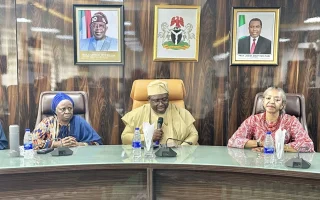
His remarks follow recent exchanges between the Presidency and the Catholic Bishops’ Conference of Nigeria (CBCN) after the bishops met President Tinubu at the State House in Abuja to present their assessment of the country’s economic and security challenges.
Cardinal Onaiyekan said the bishops had no intention of entering into a public debate with government spokespersons over their observations.
He stressed that the bishops were not advocating for Catholic interests alone but were fulfilling their moral and spiritual responsibility to speak on issues affecting all Nigerians.
“We are done talking. You can govern better,” he said.
“We didn’t go there as Catholic bishops pushing a Catholic agenda. We went there as people with a spiritual mandate to speak to anyone in the name of God.”
The cleric added that government supporters and spokespersons were free to defend the administration if they wished, but said it was not the role of the bishops to continue responding to official reactions.
“If government supporters and spokespersons have their own views on what they should say on behalf of their principal, that is their business, not mine,” he said.
Cardinal Onaiyekan also noted that he saw no need to respond further to the Presidency, saying public opinion had already spoken.
“I don’t even have to say anything because social media is full of responses from Nigerian people, and for me, that is more than enough.”
His comments reinforce the Catholic Bishops’ position that the government should prioritise addressing Nigeria’s economic hardship and security concerns rather than engaging in public exchanges over criticism.