
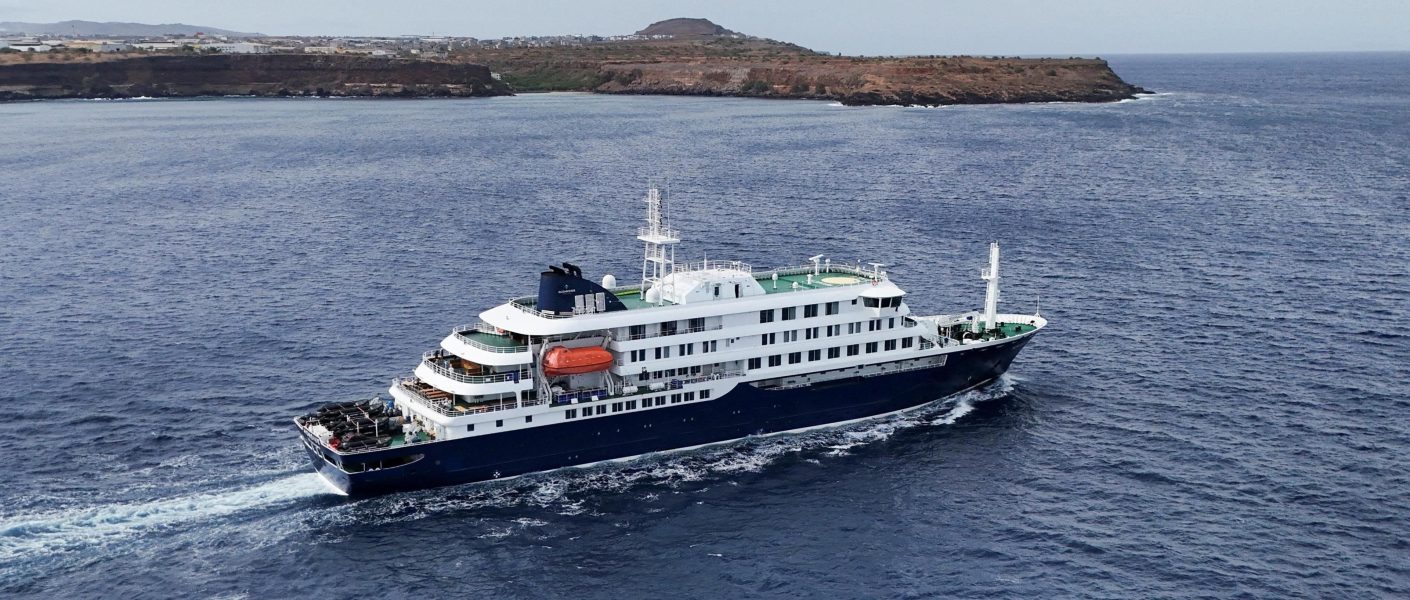
The World Health Organization (WHO) has officially declared the hantavirus outbreak linked to the MV Hondius cruise ship over after the final person under quarantine tested negative for the virus.
WHO Director-General Tedros Adhanom Ghebreyesus announced the development during a press briefing on Thursday, July 2, confirming that no new infections have been reported since May 25.
“Today, the final contact of a person exposed to hantavirus on the cruise ship MV Hondius completed their quarantine period, tested negative and returned home,” Tedros said. “No further cases have been reported since May 25. We are therefore very pleased to say that WHO considers the outbreak of hantavirus over.”
The outbreak resulted in 12 confirmed cases and one probable case, claiming three lives and triggering an international public health response.
The Dutch-flagged MV Hondius departed Ushuaia, Argentina, on April 1 for a polar expedition that included visits to remote South Atlantic islands, including Tristan da Cunha, before sailing to Tenerife in Spain’s Canary Islands, where the remaining passengers were evacuated.
The vessel later arrived in Rotterdam, the Netherlands, on May 18 and was cleared to resume operations on May 30 after undergoing extensive cleaning and disinfection.
According to WHO, health authorities successfully traced and monitored more than 650 contacts across 33 countries and territories during the response to the outbreak.
Tedros said WHO will continue to study the virus to strengthen preparedness for future outbreaks, including coordinating research involving 21 countries to better understand how the disease progresses and to support the development of improved diagnostic tools, treatments and vaccines.
Hantavirus is a rare disease primarily spread by rodents, and there are currently no approved vaccines or specific antiviral treatments. The Andes strain involved in the MV Hondius outbreak is the only known hantavirus capable of spreading from person to person.
Initial investigations suggested the virus may have been contracted by a passenger while travelling in an endemic region of Argentina. However, Argentine health authorities later reported that further investigations in another province failed to identify infected rodents.
WHO’s Head of High Impact Epidemics, Diana Rojas Alvarez, said the outbreak no longer poses a public health threat but cautioned that the Andes virus and other hantavirus strains continue to circulate in parts of South America and other endemic regions.
She stressed that ongoing surveillance, preparedness measures and community awareness remain essential to preventing future outbreaks. Rojas Alvarez also expressed hope that lessons learned from the incident would encourage countries to finalise the remaining negotiations on the WHO Pandemic Agreement later this month.