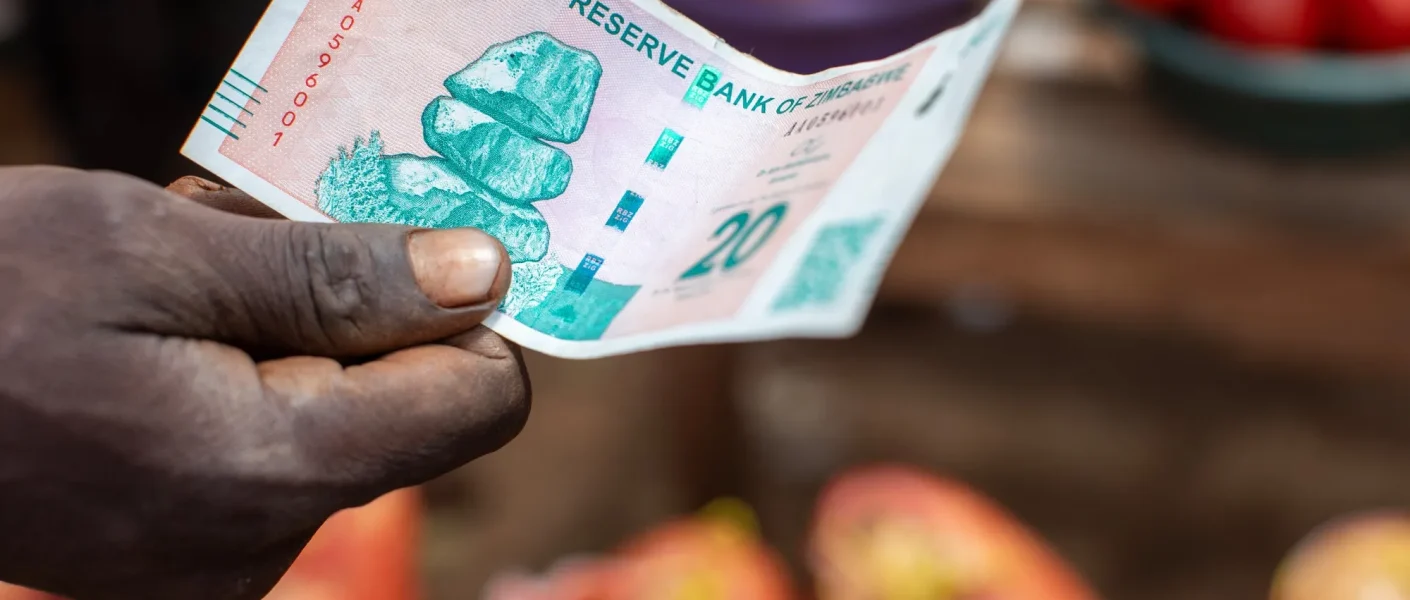
Zimbabwe has recorded single-digit annual inflation for the first time since 1997, a milestone authorities say is critical to plans to make the gold-backed ZiG the country’s sole currency by 2030.
Official figures show inflation fell sharply to 4.1 per cent in January, down from 15 per cent in December, marking a dramatic turnaround after years of price instability and repeated currency crises.
Finance Minister Mthuli Ncube described the development as historic, noting that it is the first time in nearly 30 years that Zimbabwe has achieved single-digit inflation in its domestic currency. He said the progress reflects sustained efforts to restore macroeconomic stability.
The decline comes amid ongoing efforts to stabilise the ZiG — short for Zimbabwe Gold — which was introduced in April 2024 after multiple failed attempts to replace the US dollar. The ZiG represents Zimbabwe’s sixth currency reform since 2009, following periods of hyperinflation and currency collapse.
Authorities have said the ZiG will only become the country’s sole currency once key benchmarks are met, including maintaining single-digit inflation and building foreign reserves sufficient to cover between three and six months of imports. Ncube said assets backing the ZiG had risen to $1.2 billion by December, up from $276 million at its launch.
In a statement issued on January 26, 2026, the Ministry of Finance, Economic Development and Investment Promotion said the achievement ended a more than 20-year wait for sustained price stability and was central to Zimbabwe’s long-term economic agenda.
Ncube linked the improvement directly to coordinated fiscal and monetary policies implemented by the ministry and the Reserve Bank of Zimbabwe, as well as the structured rollout of the ZiG backed by tangible reserves. He said the government’s objective is to maintain single-digit inflation throughout the year and beyond.
Government data suggest easing inflation is beginning to affect household costs, with prices of staples such as bread, mealie meal, sugar and cooking oil showing little change or slight declines between January and December 2025.
Officials said stable prices would help protect incomes and savings, support business planning and reduce speculative activity. The government also called on businesses and labour unions to help sustain the gains by exercising restraint in price-setting and aligning wage demands with inflation trends.
Ncube added that the achievement brings Zimbabwe closer to Southern African Development Community benchmarks, which target an inflation range of 3 to 7 per cent, with the focus now on defending single-digit inflation over the long term.