
Nigeria is grappling with a growing shortage of trained healthcare specialists in key rehabilitation fields, a development that could undermine service delivery, inclusion, and national productivity if not urgently addressed, the Minister of Education, Tunji Alausa, has warned.
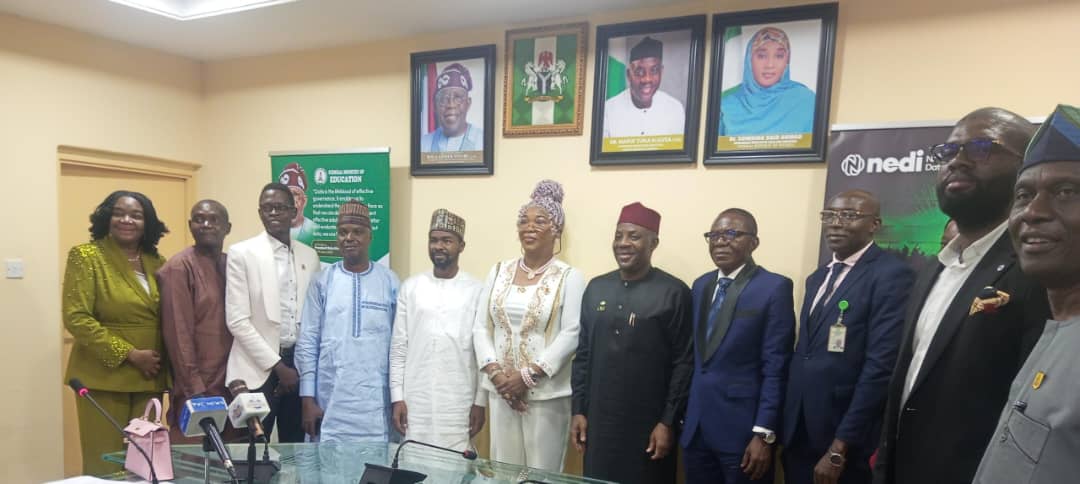
Alausa raised the concern on Thursday in Abuja during the inauguration of the National Committee for the Advancement of Occupational Therapy, Audiology, and Speech Therapy Education. He said the Federal Government is intensifying efforts to strengthen specialised education in these critical areas.
“We are at a defining moment in our nation’s development, where the demand for specialised healthcare and rehabilitation services is increasing rapidly,” he said.
He noted that hospitals, schools, and communities across the country are experiencing a surge in demand for professionals trained in occupational therapy, audiology, and speech therapy—needs that current capacity has failed to meet.
According to the minister, these disciplines are vital not only for healthcare delivery but also for inclusive education, social integration, and overall productivity.
Despite their importance, he said Nigeria’s higher education system has yet to establish adequate and structured training programmes in these fields.
“Many universities do not offer full Bachelor’s degree programmes in these disciplines, and where they exist, they are often limited or not aligned with global best practices,” he said, warning that the gap has far-reaching implications for workforce development and the country’s ability to meet international standards.
Alausa said the government is working with institutions such as the National Universities Commission (NUC) and other regulatory bodies to expand academic programmes, improve quality assurance, and ensure sustainable training systems.
He added that strengthening these disciplines would enhance support for vulnerable groups, including children with special needs and individuals living with disabilities or trauma, ultimately improving quality of life.
The minister tasked the newly inaugurated committee with developing curricula, ensuring accreditation standards, and collaborating with universities and stakeholders to build a robust training framework.
“The success of this committee will be measured by the programmes established, the standards maintained, and the professionals produced,” he said.
Chairperson of the committee, Dr Victoria Amu, accepted her appointment and pledged to address gaps in training and manpower development with urgency.
“We are fully aware of the urgency of this assignment. The gaps in training, manpower, and institutional capacity must be tackled without delay,” she said.
Amu noted that strengthening education in these specialised fields would improve early diagnosis and intervention for conditions such as autism and other developmental disorders, enhance rehabilitation services, and promote inclusive education.
She also called for broad stakeholder support, stressing that government agencies, academic institutions, professional bodies, and the private sector all have roles to play in achieving lasting impact.
Nigeria, with a population of over 200 million, faces a severe shortage of rehabilitation professionals. Recent data indicate the country has only about 163 occupational therapists, 103 speech therapists and audiologists, and 200 prosthetists and orthotists—far below what is required to meet national needs.
The newly inaugurated committee includes representatives from the NUC, TETFund, medical institutions, universities, and professional bodies, and is expected to drive reforms aimed at closing the gap in specialised healthcare training.

