Iraq has officially announced the full withdrawal of United States forces from its federal military facilities, marking a significant shift in the country’s security landscape. The pullout does not affect the Kurdistan Region, where US troops remain stationed.
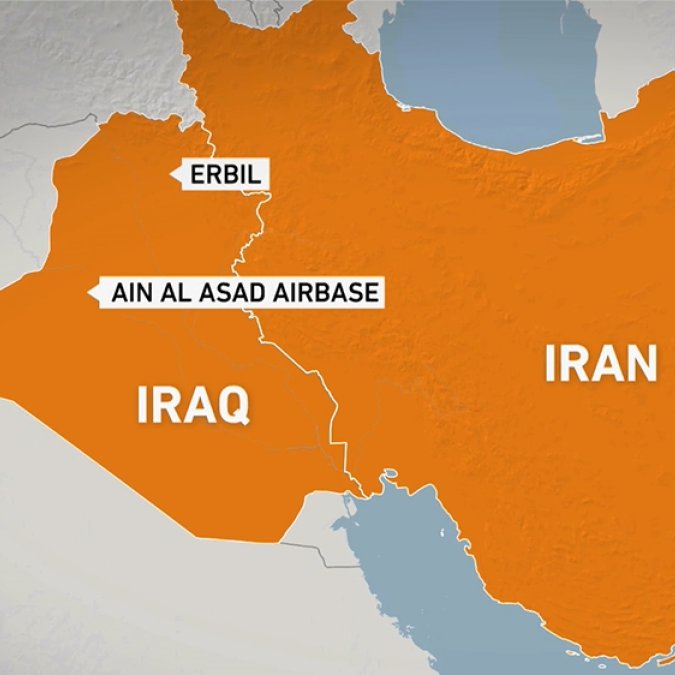
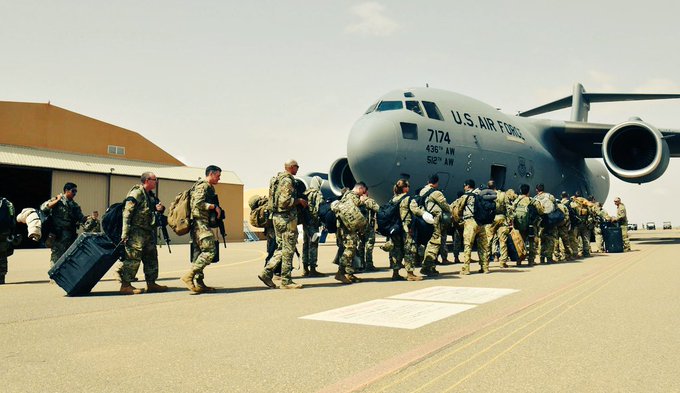
The Iraqi Defense Ministry confirmed that the final contingent of US military advisers left Al-Asad Air Base in Anbar province, ending a presence that spanned more than 20 years. Al-Asad, one of the largest US hubs in western Iraq, along with the Joint Operations Command headquarters, was transferred entirely to Iraqi control.
The drawdown follows years of gradual reductions after Baghdad formally requested fewer US forces. While US personnel have exited federal territory, troops continue to operate from Harir Air Base in Erbil, located in the autonomous Kurdistan Region, which maintains its own government, parliament, and security forces under Iraq’s constitution.
Since the 2003 invasion, the US military presence in Iraq has fluctuated sharply, peaking at roughly 170,000 troops. American forces withdrew in 2011 but returned in 2014 at Baghdad’s request to help combat ISIS. In recent years, remaining personnel primarily served in advisory and support roles.
Footage from the Iraqi Defense Ministry showed senior commanders inspecting empty corridors at Al-Asad following the handover. US Central Command confirmed the transfer of installations to Iraqi authorities.
The withdrawal occurs amid heightened regional tensions, particularly between the US and Iran. Al-Asad has been repeatedly targeted by Iran and allied militias, including ballistic missile strikes following the 2020 killing of Iranian general Qasem Soleimani. Other attacks in recent years caused injuries to US personnel and contractors.
Iraqi officials emphasized that national forces now have sufficient capability to secure the country’s territory. Future cooperation with the US is expected to focus on training, equipment procurement, joint exercises, and operational coordination under bilateral agreements.
While Iraq considers the coalition mission concluded on its soil, counter-ISIS operations continue in neighboring Syria. Logistical support may still transit through Erbil, and Al-Asad could be used for joint operations if necessary.
The withdrawal may also bolster Baghdad’s negotiating position regarding the disarmament of non-state armed groups. Some Iran-backed militias have previously cited foreign troop presence as a reason to retain their weapons. No immediate response was reported from these groups following the announcement.