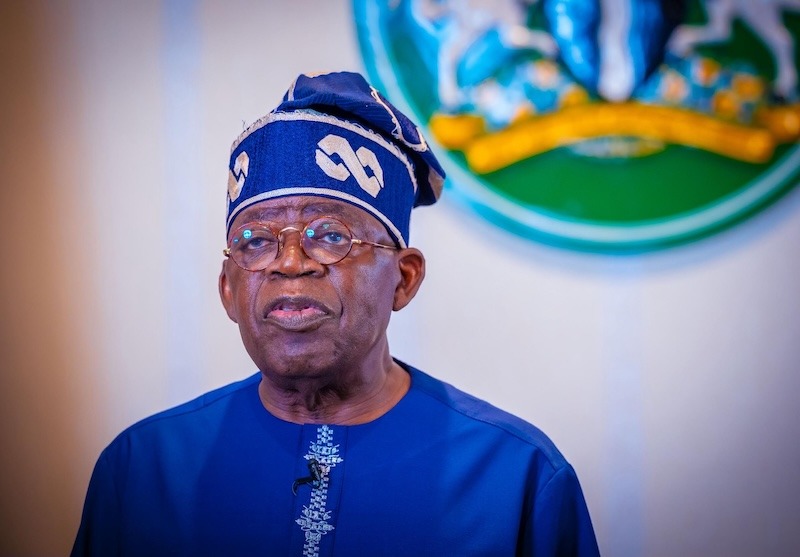
President Bola Tinubu has blamed Nigeria’s colonial-era tax laws for contributing to economic hardship and widespread poverty.
The President made the remark during the commissioning of the 16-storey headquarters of the Nigeria Revenue Service (NRS) in Abuja, according to a statement by his Special Adviser on Information and Strategy, Bayo Onanuga.
Tinubu said the tax reforms introduced by his administration are aimed at replacing outdated colonial structures with a modern system that promotes inclusiveness, investment, and long-term economic growth. He noted that the new tax framework, which became fully operational in January, is designed to strengthen the country’s fiscal foundation.
“On my inauguration day, I made a solemn pledge to move Nigerians from the dimness of uncertainty into the clear light of renewed hope. I committed to addressing structural weaknesses, restoring financial stability, and building an economy anchored on discipline, equity, and opportunity,” he said.
He added that the reforms are part of a deliberate effort to establish a transparent and efficient revenue system capable of driving national development and rebuilding public trust in government institutions.
Addressing concerns about the changes, Tinubu explained that the new tax system is intended to simplify processes, eliminate distortions, and ensure fairness while protecting vulnerable citizens.
“Our direction is clear: to create a revenue system that rewards enterprise, supports growth, and ensures that every contribution to the national cause delivers real value to the people,” he said.